How Meditation Helps Reduce Mobile Addiction in Children

Severe Effects of Mobile Addiction
Excessive screen dependency impacts multiple areas of a child's developmental growth:
- Reduced attention span and difficulty focusing on offline tasks
- Sleep disturbances and insomnia due to blue-light exposure before bed
- Emotional irritation, restlessness, and tantrums when screens are taken away
- Reduced interest in outdoor play and physical developmental activities
- Social isolation and poor real-world communication skills
How Meditation Curbs Screen Dependency
Improves Self-Awareness
Children become conscious of their impulses, learning to recognize when they are bored rather than instantly reaching for a phone.
Creates Internal Calmness
Meditation lowers restlessness, calming the dopamine cravings that drive screen dependency.
Encourages Mindfulness
Mindfulness training helps children learn to enjoy the physical world, finding joy in direct, offline activities.
Reduces Frustration & Irritation
By calming the amygdala, meditation helps children regulate their moods and reduces sudden screen withdrawal tantrums.
Healthy Alternatives to Screen Time
Outdoor Sports & Play
Running, cycling, or playing team sports to burn off physical energy and build motor skills.
Physical Reading Habits
Introducing colorful, engaging storybooks or comic books that trigger imagination.
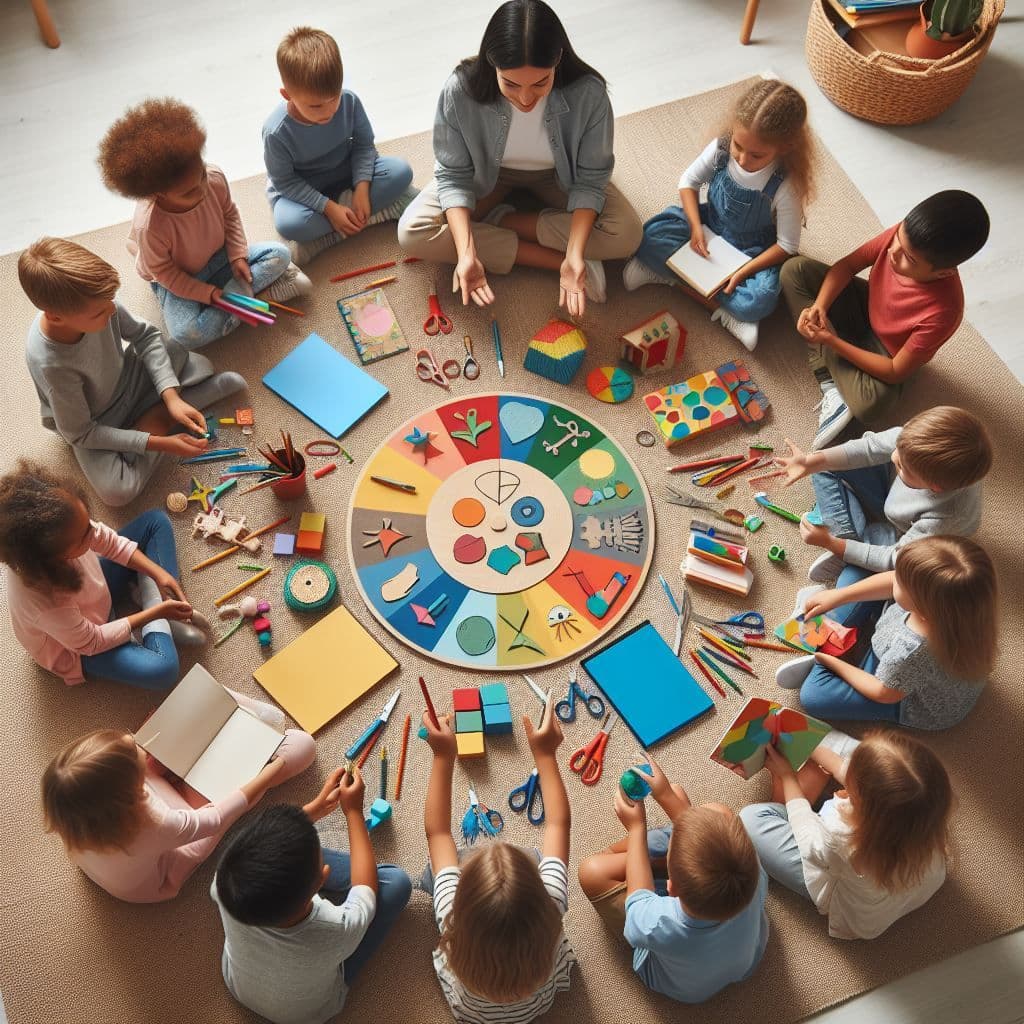
Art & Creative Hobbies
Engaging in drawing, clay modeling, painting, or building block designs.
Family Meditation Practice
Setting aside 10 minutes daily where parents and children sit in silence together.
Yoga & Conscious Breathing
Fun, animal-pose yoga routines combined with deep balloon breathing.
Child Development
Improve behavior, discipline, and emotional balance in children.